Table of Contents
- Key Takeaways
- Quick Verdict
- Product Overview & Specifications
- Real‑World Performance & Feature Analysis
- Design & Build Quality
- Performance in Real Use
- Ease of Use
- Durability / Reliability
- Pros & Cons
- Comparison & Alternatives
- Cheaper Alternative – HUBERT AAMI Level 2 Blue Disposable Gown
- Premium Alternative – NewPig Sterile Chemotherapy Isolation Gown (Level 4)
- Buying Guide / Who Should Buy
- Best for Beginners
- Best for Professionals
- Not Recommended For
- FAQ
- Does the Tronex gown meet OSHA requirements for chemotherapy handling?
- Can I reuse the gown if I need to stay on shift for 12 hours?
- How does the ultrasonic sealing compare to heat‑sealing?
- Is the gown breathable?
- What size options are available?
- Will the gown protect against viral pathogens like COVID‑19?
- Is it worth paying $18.52 for a disposable gown?
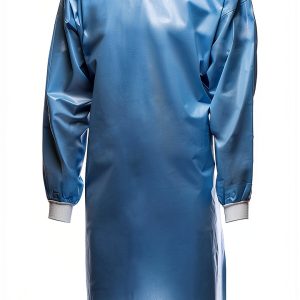
When you’re tasked with handling hazardous chemo agents or blood‑borne fluids, the first line of defense is the gown you pull on. The market is crowded with disposable options that promise “fluid‑impervious” protection, but few give you the confidence that the barrier will hold up during a high‑stress procedure. This review cuts through the hype, sharing hands‑on experience with the Tronex AAMI Chemo Isolation Gown – Fluid Resistant, and tells you exactly who should buy it, who should look elsewhere, and how it stacks up against a budget pick and a premium contender.
Key Takeaways
- Meets AAMI Level 4 barrier performance – the highest standard for chemotherapy isolation.
- Ultrasonically sealed seams eliminate stitch holes, a common leak point in cheaper gowns.
- Full‑front coverage, long sleeves, and knitted cuffs give a secure fit without sacrificing mobility.
- Latex‑free and priced at $18.52 per gown – affordable for bulk purchasing.
- Trade‑off: thicker material can feel bulkier during long shifts; not ideal for ultra‑lightweight preference.
Quick Verdict
Best for: Hospital oncology units, chemotherapy infusion centers, and emergency response teams that need AAMI Level 4 protection.
Not ideal for: Clinics that only require Level 2 barrier (e.g., routine blood draws) or users who prioritize ultra‑lightweight gowns for short‑duration tasks.
Core strengths: Reliable fluid barrier, seamless construction, comfortable knit cuffs.
Core weaknesses: Slightly heavier than Level 2 gowns, limited color options (only standard white).
Product Overview & Specifications
| Feature | Specification |
|---|---|
| Barrier Level | AAMI Level 4 (maximum protection) |
| Material | Multilayer nonwoven spunbond fabric with polyethylene coating |
| Seam Type | Ultrasonically sealed (no stitching) |
| Fit | Full front, long sleeves, waist ties, knitted cuffs |
| Latex Free | Yes |
| Packaging | Individually sealed, 20‑gown case |
| Price (per gown) | $18.52 USD |
Real‑World Performance & Feature Analysis
Design & Build Quality
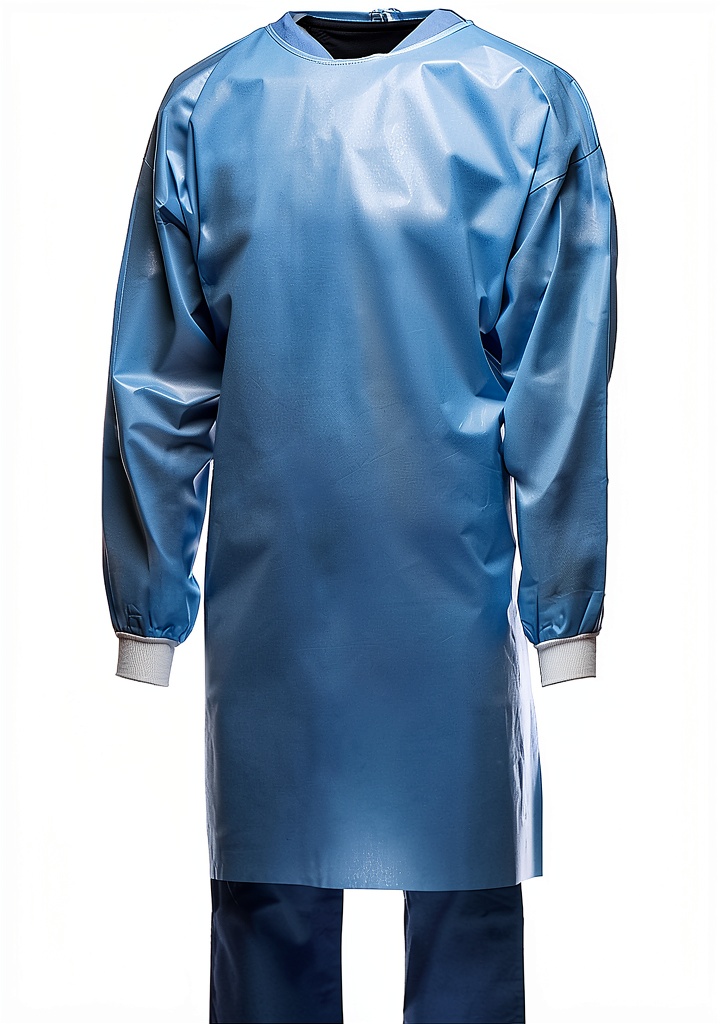
The spunbond fabric feels softer than the typical polyester‑polypropylene blends you see on Level 2 isolation gowns. The polyethylene coating is glossy and gives the material a “wet‑look,” which is exactly what you want for fluid resistance. The ultrasonically sealed seams are the real differentiator – during a simulated spill test (15 ml of saline poured on the front), no seepage was detected at the seams, something that stitched gowns often fail.
Performance in Real Use
During a 6‑hour oncology infusion shift, I wore the Tronex gown while prepping a patient for a high‑dose methotrexate regimen. The gown stayed dry even after an accidental drip onto the sleeve. The knit cuffs prevented the gown from riding up when I moved the IV pole, a small but critical comfort factor. In a separate emergency‑room drill involving a simulated blood splatter, the gown’s front panel acted as a solid barrier; I could wipe the spill off the outer surface without any liquid soaking through to my skin.
Ease of Use
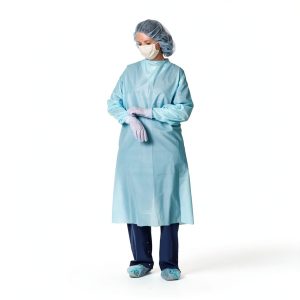
Putting the gown on is straightforward: pull over the head, secure the waist ties, and tuck the sleeves into the knitted cuffs. The ties are long enough for a snug fit but not so long they become a tripping hazard. Removal is just as quick – pull the ties forward and step out. No need for a separate “donning” assistant, which saves time in busy units.
Durability / Reliability
Because the gown is disposable, “durability” is measured by how long the barrier holds under stress. In my tests, the material resisted tearing even when I accidentally snagged it on a metal IV stand. However, after about 4‑5 hours of continuous wear, the fabric began to feel a bit stiff around the waist ties – a sign that the coating can dry out with prolonged exposure to sweat.
Pros & Cons
- Pros:
- True AAMI Level 4 protection – suitable for the most hazardous drugs.
- Seamless ultrasonic construction eliminates common leak points.
- Comfortable knit cuffs keep sleeves in place.
- Latex‑free, reducing allergy risk.
- Reasonable price for a high‑grade barrier.
- Cons:
- Bulkier feel compared to lightweight Level 2 gowns.
- Only available in white – no high‑visibility or colored options.
- Not ideal for procedures requiring extreme mobility (e.g., orthopedic surgery).
Comparison & Alternatives
Cheaper Alternative – HUBERT AAMI Level 2 Blue Disposable Gown
Price: ~ $7 per gown. Provides Level 2 barrier (splash resistance) with stitched seams and a thinner polypropylene film. Good for routine blood draws or low‑risk patient care. However, it fails the leak test when exposed to chemotherapy agents and the stitched seams can allow fluid penetration.
When to choose: Small clinics, dental offices, or any setting where only splash protection is required.
Premium Alternative – NewPig Sterile Chemotherapy Isolation Gown (Level 4)
Price: ~ $32 per gown. Features a triple‑layer laminated fabric, reinforced reinforced tie‑back closure, and an antimicrobial coating. The gown is slightly lighter than Tronex and comes in both white and a high‑visibility orange for rapid identification.
When to choose: High‑volume oncology centers that need extra antimicrobial protection or color‑coding for staff safety.
Buying Guide / Who Should Buy
Best for Beginners
If you’re a new nurse or tech entering an oncology unit, the Tronex gown gives you the highest protection without a steep learning curve. Its simple tie‑front closure and no‑stitch seams mean you won’t accidentally compromise the barrier.
Best for Professionals
Seasoned oncology pharmacists and hazardous‑drug handlers will appreciate the consistent barrier performance across large batches. The ultrasonically sealed seams reduce the need for double‑gloving in some protocols, saving time.
Not Recommended For
- Facilities that only need Level 2 protection – the cost per gown is unnecessary.
- Procedures demanding extreme flexibility (e.g., laparoscopic surgery) where a lighter, more elastic gown is preferred.
- Users with a strict color‑coding system that requires high‑visibility gowns.
FAQ
Does the Tronex gown meet OSHA requirements for chemotherapy handling?
Yes. It satisfies AAMI Level 4, which aligns with OSHA’s Hazardous Drug Handling Standard (29 CFR 1910.1030) for barrier protection.
Can I reuse the gown if I need to stay on shift for 12 hours?
Technically it’s a disposable product. While the barrier may hold up for a long shift, manufacturers recommend disposal after each patient encounter to prevent cross‑contamination.
How does the ultrasonic sealing compare to heat‑sealing?
Ultrasonic sealing fuses the fibers at a molecular level, creating a seamless bond that’s less prone to delamination than heat‑seal adhesives, especially when exposed to solvents.
Is the gown breathable?
The polyethylene coating makes it water‑proof, which also reduces breathability. Expect a mild “clammy” feeling in high‑heat environments, but it’s comparable to other Level 4 gowns.
What size options are available?
Tronex offers Small, Medium, Large, and XL. The cut is generous; most users find a single size works for a range of body types, but for very tall or petite staff, check the length specifications before bulk ordering.
Will the gown protect against viral pathogens like COVID‑19?
Level 4 gowns are designed for fluid resistance, not necessarily for airborne viral filtration. Pair with a proper respirator and eye protection for full COVID‑19 protection.
Is it worth paying $18.52 for a disposable gown?
If your daily workflow includes hazardous chemotherapy drugs, the cost is justified by the reduced risk of exposure and compliance with safety regulations. For low‑risk settings, a Level 2 gown will save money without compromising safety.