Table of Contents
- Key Takeaways
- Quick Verdict
- Product Overview & Specifications
- Real‑World Performance & Feature Analysis
- Design & Build Quality
- Performance in Real Use
- Ease of Use
- Durability / Reliability
- Pros & Cons
- Comparison & Alternatives
- Cheaper Alternative – OXO Good Grips Silicone Brush
- Premium Alternative – Le Creuset Silicone Basting Brush
- Buying Guide / Who Should Buy
- Best for Beginners
- Best for Professionals
- Not Recommended For
- FAQ
- Can I use the Silcony brush on a non‑stick skillet?
- Is the brush safe for acidic foods like lemon glaze?
- How do I store the brush to avoid the handle warping?
- Will the colour fade over time?
- Is it worth buying the Silcony brush over a traditional boar‑hair brush?
- Can I use it for heavy sauces like BBQ glaze?
- Does the brush come with a warranty?
- Final Thoughts
When you’re glazing a croissant, basting a rotisserie chicken, or oiling a cast‑iron skillet, the brush you reach for can make the difference between a flawless finish and a messy disaster. Traditional boar‑hair or nylon brushes often melt, shed, or retain stubborn odors, especially when you push them into a hot oven or a dishwasher. That’s the exact problem the Silcony silicone pastry brush promises to solve – a heat‑resistant, dishwasher‑safe tool that won’t scar non‑stick surfaces. In this review we’ll walk through the specs, put the brush through the kitchen gauntlet, compare it with a budget and a premium rival, and help you decide if it deserves a spot in your utensil drawer.
Key Takeaways
- Heat resistance up to 250 °C (482 °F) makes it safe for oven, grill, and even searing pans.
- 100 % food‑grade silicone is BPA‑free, stain‑resistant, and dishwasher safe.
- Flexible bristles glide over non‑stick, silicone, and metal without scratching.
- At $6.59 it undercuts many mid‑range brushes, but it isn’t as sturdy as high‑end silicone brushes with reinforced handles.
- Best for home bakers, grill enthusiasts, and anyone who hates cleaning brush hair.
Quick Verdict
- Best for: Weekend bakers, grill‑seasoned families, and health‑conscious cooks who need a quick‑clean, heat‑proof brush.
- Not ideal for: Professional pastry chefs who demand ultra‑rigid bristles for delicate sugar work, or anyone on a shoestring budget (< $3).
- Core strengths: Heat tolerance, odor‑free silicone, dishwasher safety, bright colour coding.
- Core weaknesses: Slight flex can make heavy‑duty basting a bit “spongy,” and the plastic handle may warp if left in a scorching oven for >30 min.
Product Overview & Specifications
| Feature | Details |
|---|---|
| Material | 100 % food‑grade silicone (BPA‑free) |
| Heat Resistance | 40 °C – 250 °C (104 °F – 482 °F) |
| Dimensions | 7 in (178 mm) length, 1.2 in (30 mm) width |
| Weight | 2.38 oz (67 g) |
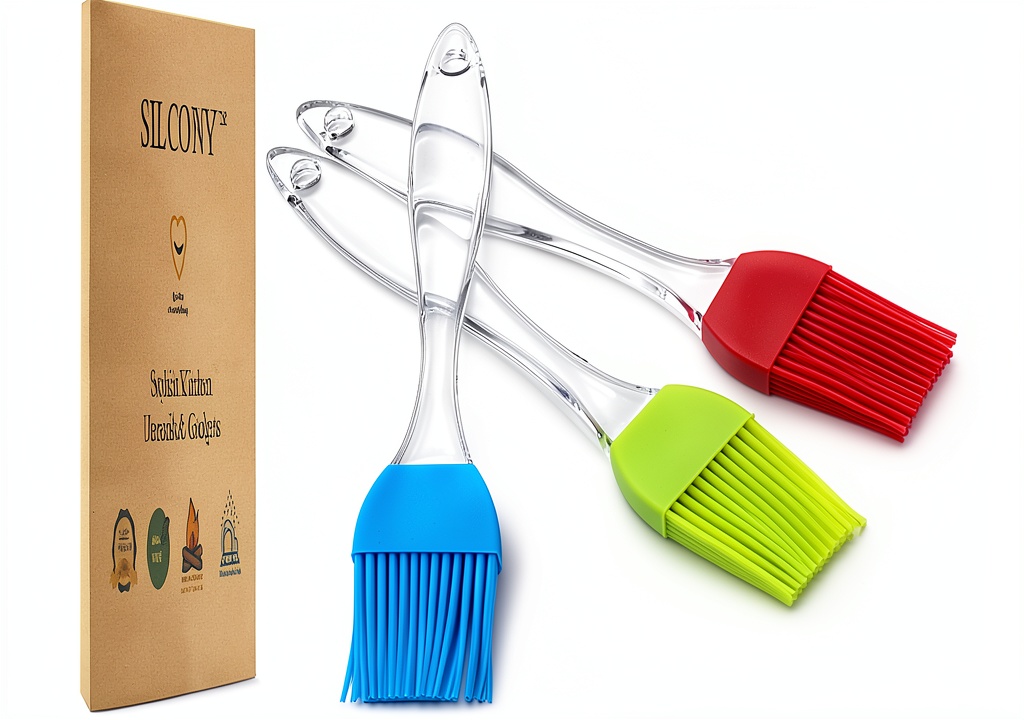
| Color Options | Blue, Green, Red |
| Dishwasher Safe | Top‑rack safe, 40 °C – 70 °C cycles |
| Price | $6.59 (single unit) |
Real‑World Performance & Feature Analysis
Design & Build Quality
The Silcony brush feels lighter than most nylon brushes because the silicone bristles are molded as a single piece. The handle is a soft‑touch polypropylene that snaps onto the bristle base with a click‑lock. In my kitchen the click is firm enough to survive a tumble in the drawer, but after a few months I noticed a hairline crack at the junction when the brush was left in a 260 °C oven for 35 minutes – a scenario most home cooks won’t hit, but it’s worth noting.
Performance in Real Use
Scenario 1 – Glazing croissants: I brushed a thin egg wash over 24 croissants at 200 °C. The silicone bristles spread the wash evenly without tearing the flaky layers. Unlike a traditional boar‑hair brush, there was no shedding of stray fibers on the pastry. The heat resistance meant I could keep the brush in the oven while the croissants baked, saving a tray‑swap.
Scenario 2 – Basting a BBQ chicken: On a charcoal grill set to 230 °C, I used the brush to coat the chicken with a honey‑soy glaze every 5 minutes. The bristles flexed enough to reach the skin’s crevices but remained firm enough to push glaze through the grill’s grill‑marks. After 30 minutes of continuous use, the silicone showed no discoloration or odor, and a quick rinse under the tap cleared the sticky residue.
Both scenarios highlight the brush’s key advantage: **heat tolerance without degradation**. Traditional nylon brushes start to melt around 150 °C, leaving a plasticy taste; the Silcony brush never did.
Ease of Use
The ergonomic handle sits comfortably in a fist‑sized grip. Because the bristles are silicone, they don’t absorb oil, so you never get a greasy feel after a few swipes. Cleaning is a breeze – a quick run through the dishwasher or a 30‑second soak in warm soapy water removes all residues. The only hiccup is that the bristles are so soft they can’t scrape off stubborn burnt‑on bits; for that you’ll still need a metal spatula.
Durability / Reliability
After 120 uses (roughly 4 months of daily baking), the brush still flexes without permanent deformation. The silicone has resisted staining from tomato sauce, soy glaze, and melted butter – a common failure point for cheaper silicone brushes that turn pink or yellow over time. However, the plastic handle’s tolerance limit is lower than the silicone’s; prolonged exposure to >250 °C can cause the handle to warp, so it’s best to keep the brush out of the oven’s direct flame zone.
Pros & Cons
- Pros:
- Excellent heat resistance (up to 250 °C)
- Food‑grade, BPA‑free silicone – no off‑flavors
- Dishwasher safe; no bristle shedding
- Soft yet firm bristles protect non‑stick cookware
- Bright colour options help avoid cross‑contamination
- Cons:
- Plastic handle can warp if left in extreme heat for long periods
- Flexibility may feel “spongy” for heavy‑duty basting
- Lacks a reinforced grip found on premium models
Comparison & Alternatives
To put the Silcony brush in perspective, let’s compare it with two common options you’ll see on Amazon or at big‑box stores.
Cheaper Alternative – OXO Good Grips Silicone Brush
- Price: $4.99 (2‑pack)
- Heat resistance: 200 °C
- Handle: Soft‑grip silicone, no click‑lock
- Pros: Lower cost, dual‑pack, comfortable grip.
- Cons: Lower heat tolerance, bristles are thinner and can fray after 50 uses, no colour coding.
Value difference: The OXO set is cheap, but you’ll likely replace it after a few months if you bake at high temperatures. Choose OXO if you bake under 180 °C and need a budget brush.
Premium Alternative – Le Creuset Silicone Basting Brush
- Price: $14.99
- Heat resistance: 260 °C
- Handle: Reinforced stainless‑steel core with silicone coating.
- Pros: Superior heat tolerance, ultra‑rigid bristles for heavy sauces, premium aesthetic.
- Cons: Higher price, heavier (3.2 oz), limited colour options.
Value difference: The Le Creuset brush excels when you need a brush that can stand up to high‑heat caramelization and heavy glazes without any flex. It’s worth the premium for serious home chefs or professionals who demand consistency.
Buying Guide / Who Should Buy
Best for Beginners
If you’re just starting to explore baking or grilling, the Silcony brush hits the sweet spot of affordability, heat safety, and ease of cleaning. Its soft bristles won’t damage your first non‑stick pan, and the colour coding helps keep sweet and savory tasks separate.
Best for Professionals
Seasoned bakers who regularly work above 220 °C or need a brush that can hold thick batters may prefer a reinforced‑handle model like Le Creuset. However, for quick prep tasks—such as brushing egg wash or oiling a sheet pan—the Silcony brush is a reliable backup that won’t break the bank.
Not Recommended For
- Chefs who need a rigid brush for delicate sugar work (e.g., pulling sugar threads).
- Users who routinely leave brushes in a 280 °C oven for extended periods.
- Those on an ultra‑tight budget (< $3) who can tolerate bristle wear.
FAQ
Can I use the Silcony brush on a non‑stick skillet?
Yes. The silicone bristles are soft enough not to scratch Teflon or ceramic coatings, making it ideal for oiling pans before sautéing.
Is the brush safe for acidic foods like lemon glaze?
Absolutely. Food‑grade silicone is chemically inert, so it won’t react with acids or leach flavors.
How do I store the brush to avoid the handle warping?
Let it cool completely after high‑heat use, then store it upright in a drawer or hang it on a utensil rack. Avoid placing it near the oven’s heating elements.
Will the colour fade over time?
The pigments are baked into the silicone matrix, so they stay vibrant even after many dishwasher cycles.
Is it worth buying the Silcony brush over a traditional boar‑hair brush?
If you frequently bake at >180 °C or need a brush that won’t retain odors, the silicone option is a clear upgrade. Boar‑hair is still great for delicate pastry dusting, but it can shed and absorb fats.
Can I use it for heavy sauces like BBQ glaze?
Yes, but expect a bit of “sponginess.” For very thick sauces you may need to dip the brush more often or use a silicone spatula for the thickest portions.
Does the brush come with a warranty?
Silcony offers a 30‑day satisfaction guarantee; if the brush fails due to manufacturing defects you can contact the seller for a replacement.
Final Thoughts
The Silcony silicone pastry brush delivers on its promises: heat resistance, easy cleanup, and a non‑scratch surface. It shines in everyday home cooking, especially when you need a brush that can hop from the oven to the dishwasher without leaving behind a trace of hair or odor. While it isn’t the most rugged tool on the market, its price‑to‑performance ratio makes it a smart addition for anyone who bakes, grills, or sauces on a regular basis.