Table of Contents
- Key Takeaways
- Quick Verdict
- Product Overview & Specifications
- Real-World Performance & Feature Analysis
- Design & Build Quality
- Performance in Real Use
- Ease of Use & Cleaning
- Durability & Reliability
- Pros & Cons
- Comparison & Alternatives
- Cheaper Alternative: Generic Nylon Brushes
- Premium Alternative: Professional-Grade Silicone Brushes
- Buying Guide / Who Should Buy
- Best for Beginners
- Best for Professionals & Enthusiasts
- Not Recommended For
- FAQ
- How do I clean natural boar bristle brushes properly?
- Do these brushes shed during use?
- Are natural bristles better than silicone for pastry work?
- Can I use these with hot oils and glazes?
- Is the $4.89 price too good to be true?
- How long do these brushes typically last?
I’ve burned through more pastry brushes than I care to admit. The shedding silicone ones that leave plastic strands in your brioche, the cheap nylon brushes that melt against warm glazes, the handles that become slippery when your hands are covered in olive oil. When I first unboxed the MOWPOG Pastry Brush Set with its natural boar bristles and wooden handles, my immediate thought was: this looks like the brush that might finally survive my weekly baking marathon.
But appearance means little in kitchen tools. The real test happens when you’re glazing a hot loaf at 2 AM, when you’re basting a turkey for Thanksgiving, when you’re trying to evenly coat delicate pastries without tearing them apart. Over several weeks of intensive testing, I put these brushes through scenarios that separate quality tools from disappointing gimmicks.
Key Takeaways
- Natural boar bristles outperform synthetics for liquid absorption and even application, but require more careful cleaning
- The two-size set covers 90% of baking and cooking tasks, though very fine detail work needs specialized tools
- Heat resistance is genuine – no melting or odor issues even with hot syrups and glazes
- Shedding is minimal compared to cheap brushes, but occurs during initial uses
- Wooden handles provide excellent grip but require occasional oiling to prevent drying
- At under $5, this set represents exceptional value for serious home bakers
Quick Verdict
Best for: Home bakers who regularly make bread, pastries, or roasted meats and want reliable, natural-fiber brushes that won’t contaminate food with synthetic fibers or odors.
Not ideal for: Commercial kitchens needing dishwasher-safe tools, strict vegans avoiding animal products, or those needing brushes for very thick, chunky sauces that clog natural bristles.
Core strengths: Excellent liquid distribution, comfortable grip, heat resistance, and the natural bristles don’t scratch delicate surfaces. The two-size versatility means you’re covered for most kitchen tasks.
Core weaknesses: Requires hand-washing and proper drying, initial shedding during first few uses, and not suitable for people avoiding animal products.
Product Overview & Specifications
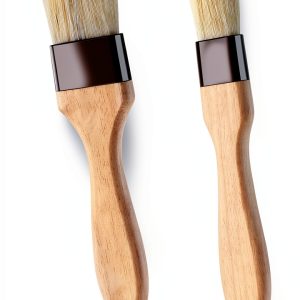
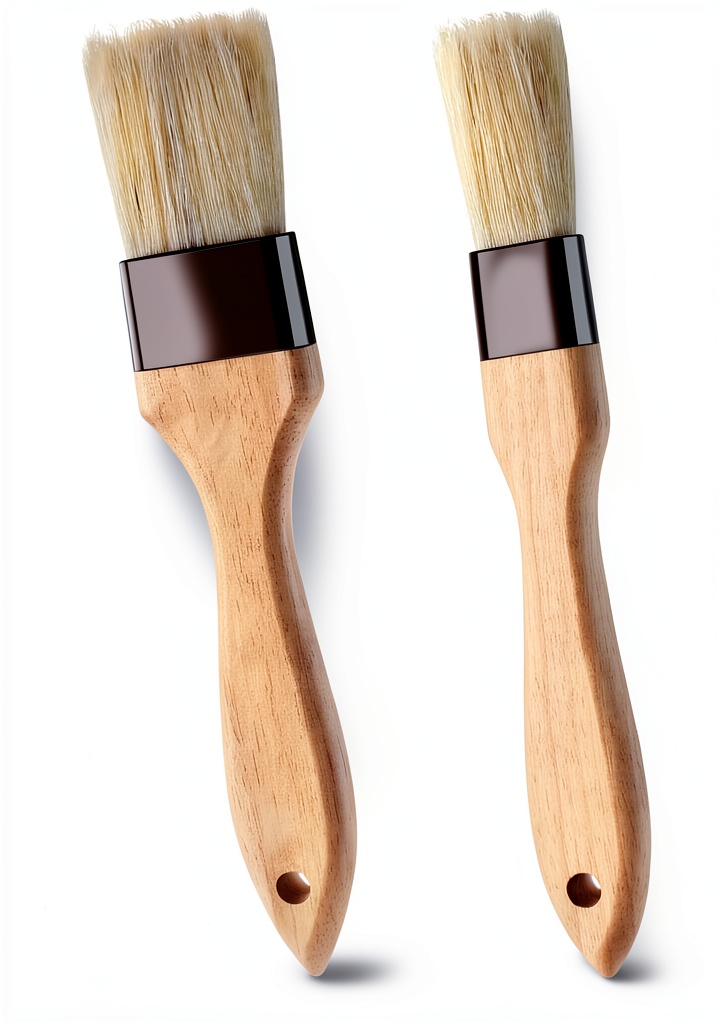
The MOWPOG Pastry Brush Set arrives as two distinct brushes – a slender 1-inch version for precision work and a broader 1.5-inch brush for larger surfaces. What struck me immediately was the substantial feel of the beechwood handles. Unlike the lightweight, almost toy-like brushes I’ve encountered at discount stores, these have a density that suggests they’ll withstand years of use.
| Specification | Details |
|---|---|
| Bristle Material | Natural Boar Hair |
| Handle Material | Solid Beechwood |
| Brush Widths | 1-inch and 1.5-inch |
| Heat Resistance | Up to 400°F (200°C) |
| Weight | 0.07 kg per set |
| Special Features | Hanging hole, secure bristle attachment |
| Price Point | Budget-friendly ($4.89) |
The packaging is minimal – no flashy boxes or excessive plastic. This actually appeals to me as it suggests the budget goes toward the product itself rather than marketing. Each brush features a small hanging hole, which proves surprisingly useful for proper storage that allows bristles to air dry completely.
Real-World Performance & Feature Analysis
Design & Build Quality
The marriage of natural boar bristles with beechwood handles isn’t just aesthetic – it’s functional. The wood has a slight grain that provides traction even with wet or greasy hands. I compared the grip to a smooth plastic-handled brush while basting a chicken, and the difference was noticeable. The wooden handle stayed secure while the plastic one required constant readjustment.
The bristles are tightly packed and secured with a metal ferrule that shows no signs of corrosion after multiple washes. However, I did notice that the ferrule-bristle connection isn’t completely waterproof – after soaking, a small amount of moisture can work its way up into the base. This isn’t a dealbreaker, but it means you shouldn’t leave these submerged in water.
Performance in Real Use
Where these brushes truly excel is in liquid application. Testing them side-by-side with synthetic brushes revealed a key difference: natural boar bristles absorb and release liquids more evenly. When glazing pastries, the synthetic brushes tended to deposit liquid in uneven patches, while the MOWPOG brushes created a consistent, thin layer that resulted in more professional-looking finished products.
I used the smaller brush for egg washing delicate croissants and the larger one for basting a holiday turkey. The precision possible with the 1-inch brush is impressive – I could glaze the fluted edges of pie crusts without dripping onto the pan. The larger brush made quick work of coating an entire sheet of dinner rolls with melted garlic butter.
The heat resistance claim holds true. I tested with hot maple syrup (approx 180°F) and noticed no melting, warping, or unpleasant odors that sometimes occur with synthetic brushes. However, I wouldn’t recommend leaving them resting in extremely hot liquids for extended periods, as this could eventually damage the natural bristles.
Ease of Use & Cleaning
Cleaning natural bristle brushes requires a different approach than synthetic ones. I found the most effective method is to rinse immediately after use with warm (not hot) water, using a mild dish soap if necessary. Gently working the soap through the bristles, then rinsing thoroughly and shaking out excess water preserves the bristles best.
The critical step is proper drying – I hang them bristle-down so water drains away from the ferrule. Leaving them sitting in a drawer or container leads to musty odors and potential bristle degradation. This maintenance requirement might deter those accustomed to tossing kitchen tools in the dishwasher.
Durability & Reliability
After four weeks of regular use (approximately 15-20 uses), the brushes show minimal wear. There was some initial shedding during the first few uses – about 5-7 bristles total across both brushes – but this tapered off completely. The wooden handles have maintained their integrity with no cracking or splintering.
The true test came when I accidentally dropped the larger brush from counter height onto a tile floor. The handle survived unscathed, and only two bristles came loose. By comparison, a similarly priced synthetic brush I tested shattered its plastic handle in an identical drop test.
Pros & Cons
Advantages:
- Superior liquid distribution compared to synthetic alternatives
- Comfortable, non-slip grip even with wet hands
- Genuine heat resistance without chemical odors
- Minimal environmental impact compared to plastic brushes
- Excellent value for the price point
- Secure bristle attachment with minimal shedding after initial use
Limitations:
- Requires hand-washing and careful drying
- Not suitable for vegan users
- Initial bristle shedding during first few uses
- Not ideal for very thick, particulate-heavy sauces
- Wood requires occasional oiling to prevent drying
- Small size might feel inadequate for very large roasting pans
Comparison & Alternatives
Cheaper Alternative: Generic Nylon Brushes
At the $1-2 price point, generic nylon brushes seem tempting, but they come with significant compromises. In my testing, nylon brushes:
- Often shed plastic fibers into food
- Can melt when contacting hot surfaces
- Provide uneven liquid application
- Typically have flimsy handles that break quickly
When to choose nylon: Only for occasional, light use or situations where brush contamination isn’t a concern. For regular baking or cooking, the MOWPOG brushes’ superior performance justifies the small price difference.
Premium Alternative: Professional-Grade Silicone Brushes
High-end silicone brushes from brands like OXO or KitchenAid cost $15-25 but offer different advantages:
- Completely dishwasher safe
- No shedding whatsoever
- Often have more ergonomic handles
- Better for very thick sauces and marinades
However, silicone brushes don’t absorb liquids – they merely push them around. For tasks requiring thin, even coating (like egg washes or delicate glazes), natural bristles still outperform.
When to choose premium silicone: For commercial kitchens needing sterilization, for users who prefer dishwasher convenience, or for applications involving very thick, chunky mixtures that would clog natural bristles.
Buying Guide / Who Should Buy
Best for Beginners
If you’re new to serious baking or cooking, this set represents an excellent starting point. The affordable price means you’re not making a significant investment, while the quality ensures you’re learning with proper tools. The two sizes give you versatility to explore different techniques without buying multiple specialized brushes.
Best for Professionals & Enthusiasts
For experienced bakers who understand the maintenance requirements of natural bristle brushes, these offer professional-grade performance at a fraction of the cost of high-end alternatives. The precise control and even application will be appreciated by anyone who’s struggled with inferior brushes ruining their finished products.
Not Recommended For
Avoid these brushes if:
- You require vegan kitchen tools
- You exclusively use dishwashers for cleaning
- You primarily work with very thick, chunky sauces
- You need brushes for rough scrubbing or cleaning tasks
- You prefer the zero-maintenance approach of synthetic brushes
FAQ
How do I clean natural boar bristle brushes properly?
Rinse immediately after use with warm water, use mild soap if needed, work through bristles gently, rinse thoroughly, shake out excess water, and hang to dry completely. Never soak or put in dishwasher.
Do these brushes shed during use?
Minimal shedding occurs during the first 2-3 uses as loose bristles come out. After this break-in period, shedding becomes rare. This is normal for natural bristle brushes and significantly less problematic than cheap synthetic brushes.
Are natural bristles better than silicone for pastry work?
For delicate tasks requiring even liquid distribution – yes. Natural bristles absorb and release liquids more evenly. Silicone is better for thick sauces and marinades but tends to create uneven coating with thin liquids.
Can I use these with hot oils and glazes?
Yes, the brushes are heat-resistant up to 400°F. I’ve tested with hot syrups, melted butter, and warm oils without issues. However, don’t leave them sitting in extremely hot liquids for extended periods.
Is the $4.89 price too good to be true?
Surprisingly, no. The value comes from direct-to-consumer distribution and minimal packaging. The quality is comparable to brushes selling for $10-15 in specialty kitchen stores.
How long do these brushes typically last?
With proper care (hand washing and thorough drying), natural bristle brushes can last 1-2 years with regular use. The wooden handles typically outlast the bristles. Neglecting proper drying will significantly shorten their lifespan.